In a world where conversations about race and identity are more crucial than ever, we found ourselves drawn to a seminal work that has long been a topic of intrigue and debate: Michael Levin’s “Why Race Matters.” First published in 1997, this thought-provoking volume rapidly became a classic, though it faded from print just as swiftly.We were captivated to learn that used copies of the hardcover edition had been commanding astounding prices-up to $500!-as collectors sought to get their hands on Levin’s insights.Thankfully, the New Century Foundation has revitalized this critically important work by securing the publishing rights and releasing an affordable electronic edition that preserves its original content while adding a new foreword by Jared Taylor, an influential figure in the discourse on race.
As we dove into the pages of this 564-page exploration, we could feel the weight of its historical importance. The enhanced features of the electronic edition, such as improved typesetting and accessibility options, made our reading experience seamless. With a commendable rating of 4.7 stars from over 200 reviews, it was clear that we were not alone in our interest. Join us as we unpack the themes, arguments, and lasting impact of “Why Race Matters,” and share our reflections on why this work continues to resonate in today’s society.
Table of Contents
Our Journey into Understanding Why Race Matters
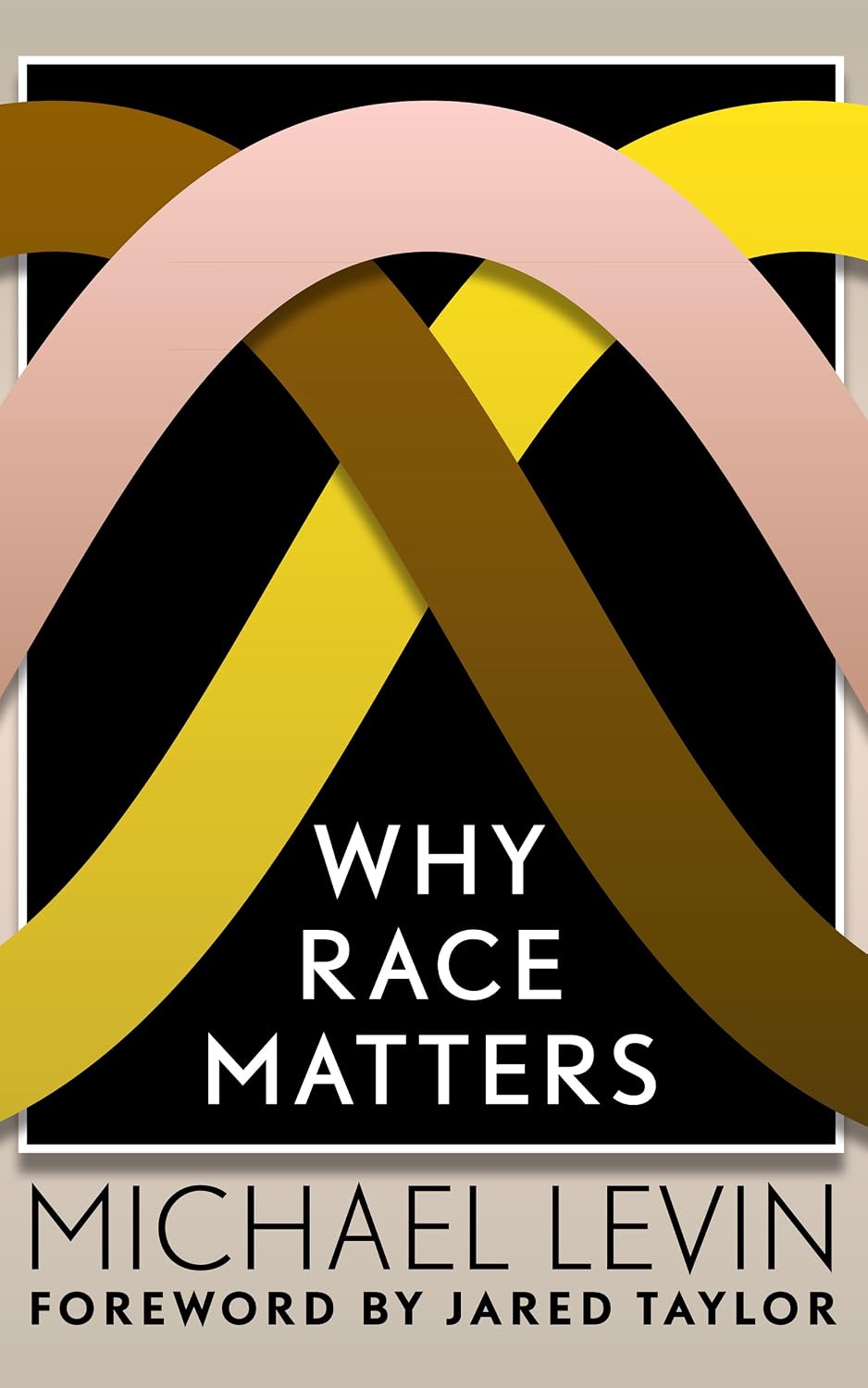
begins with the foundational knowledge found in Michael Levin’s influential work. It provides a rare prospect to explore the complexities surrounding racial differences in a context that is often emotionally charged.This book dives into the historical, social, and philosophical implications of race in a way that encourages us to critically examine the narratives we’ve been taught. With insights that remain relevant today, it’s a compelling read for anyone looking to understand the nuances of race and its implications in society. The wide-ranging discussions within its pages rightly challenge our perceptions and stimulate thoughtful dialog.
As we took the time to read through Levin’s arguments, we found that his approach is direct yet thought-provoking. He draws on various statistics and logical reasoning to present his case, wich, while challenging, makes for an engaging experience.Unearthing data and carefully dissecting the inquiries surrounding race, Levin leads us through a path illuminated by historical context and philosophical inquiry.Even if we’re not always comfortable with the topics addressed, they reflect the realities many face today. His clarity on complex subjects allows us to grasp the essential differences that exist and why they matter on a societal level.
What stands out to us is how Levin tackles the idea of intelligence and race. He doesn’t merely assert that differences in average IQ scores among races exist; rather, he delves into the layers beneath these statistics.His examination extends to the nature vs. nurture debate, making it clear that environmental factors play a crucial role in shaping outcomes. Yet,he also makes the bold claim that these differences can exist independently of ethnic biases. This viewpoint invites us to question commonly held beliefs and societal norms while pushing us to consider the moral implications of the discussions surrounding race.
Moreover, throughout our exploration of the book, it became evident that Levin is aware of how significant social implications are intertwined with these discussions. By framing his arguments within both historical and contemporary contexts, he skillfully highlights how race affects not only individuals but societal structures as a whole. The narrative entwines with critical contemporary issues like crime, poverty, and systemic inequality, providing a look into how race continues to shape individual experiences and challenges in daily life. As we weave through the pages, we are reminded of the urgent need for dialogue and honest reflection on these topics.
Levin’s work may provoke discomfort, yet it is indeed precisely this discomfort that can catalyze meaningful conversations about race. As we navigate this intricate subject, understanding that race matters becomes imperative. Levin’s insights compel us to examine the evidence without prejudice while acknowledging the realities of our societal landscape. This profound exploration makes it a must-read for those wishing to engage with the complexities of race today.
Exploring the Core Features of Why Race Matters
When we dive into “Why Race Matters,” we uncover core features that paint a vivid picture of racial dynamics in society.Michael Levin’s work, first published in 1997 and now available in an updated edition, presents thought-provoking arguments backed by statistical evidence. This book isn’t just about race; it delves deep into the implications of racial differences and how they extend beyond mere skin colour. We get to explore concepts that are relevant now more than ever as societal debates about race persist. It’s refreshing to see a book that fearlessly tackles these complex topics, considering both historical contexts and modern challenges.
The key features of this book resonate strongly with us because they combine extensive research with practical applications. Levin examines IQ differences among races, provides insights on environmental versus hereditary influences on intelligence, and explores the societal ramifications.We appreciate how he simplifies complex statistical concepts-like factor analysis-making them accessible even for those who may not have a strong background in statistics. The thoughtful presentation makes it easier for us to engage with challenging topics that frequently enough get muddled in emotional discourse.This clarity is what sets the book apart, making it a valued addition to our understanding of race and society.
One aspect that stands out is Levin’s ability to relate historical predictions to contemporary issues. He outlines how concerns over crime,poverty,and education are still applicable today,addressing social problems that continue to impact communities across the nation. Rather than shying away from these discussions, we find his insights to serve as a wake-up call.It’s a compelling reminder that understanding race matters isn’t just an academic exercise; it has real-world implications that affect policy and everyday interactions. This book challenges us to reconsider assumptions and promotes an informed dialogue about race that is both necessary and relevant.
Ultimately,”Why Race Matters” invites us to confront uncomfortable truths. Levin’s argument that stereotypes often hold a basis in reality compels us to think critically about how we perceive and interact with each other.He makes clear that race plays a significant role in social structures and individual experiences. The book encourages us to reevaluate stereotypes we encounter and understand their origins while fostering a deeper conversation around racial differences. By embracing these insights, we can contribute to more meaningful discussions about race, reflecting on our perceptions and the societal frameworks we inhabit.
Unpacking the insights: What We Learned from the Product
Unpacking the insights from “Why race Matters” has been an eye-opening journey for us. This book dives deep into the complexities surrounding race and its impact on society, exploring the delicate balance between heredity and surroundings.We found that Michael Levin manages to bring historical context and modern perspectives together, giving us a comprehensive look at the issues at hand. As we absorbed his arguments,we couldn’t help but notice how relevant they remain even decades after the initial publication.
One of the striking revelations for us was how Levin meticulously outlines the roots of social problems. He challenges the narrative that attributes these issues solely to cultural factors.Instead, he argues that deeper biological underpinnings play a significant role in explaining disparities we see today. We appreciated how he backed his points with data while presenting complex statistical concepts in easy-to-understand language. This clarity made it more engaging as we navigated through serious topics, such as IQ differences and their implications.
Another insight that stood out was the discussion on stereotypes. Levin presents them not merely as biases but as potentially meaningful probabilities that arise from observed patterns. This perspective helped us grasp the nuances of how society interprets race and ability. We found ourselves reflecting on our preconceived notions and how they shaped our understanding of intelligence and aptitude across different racial groups. Levin’s well-researched approach invites us to reconsider these stereotypes in a more analytical light.
Throughout our reading experience, we noted the balanced tone Levin maintained, acknowledging the moral implications of his findings. He doesn’t shy away from difficult conversations about race but instead encourages an analytical perspective, which is crucial in today’s polarized climate. His insights remind us that tackling the challenges related to race requires a blend of honesty, courage, and a willingness to engage with uncomfortable truths. We believe Levin’s work is essential reading for anyone looking to deepen their understanding of race in modern society.
“Why Race Matters” stands as a thoughtful exploration of race, heredity, and societal challenges. The insights we gathered from Levin’s analysis left us with more questions but also with a firmer grasp on the complexities tied to race.For those seeking a well-rounded discussion on these pressing issues, this book is invaluable. Consider taking the plunge into its pages; it may very well reshape your perspective.
Reflecting on Our Experience with Why Race Matters
Reflecting on our experience with “Why Race Matters,” we find ourselves grappling with complex themes that Michael Levin presents with clarity and purpose. This book dives deep into the intricacies of race and its impact on society, challenging us to confront uncomfortable truths.Levin’s well-structured arguments resonate with us, as he connects academic insights to everyday realities. We appreciate how he articulates concepts, such as intelligence differentials and cultural influences, without trivializing the discussions around race.
As we read through Levin’s insights, we can’t help but reflect on the historical context and relevance of his work.Despite being published in 1997, the themes he explores continue to echo through our current societal landscapes. Levin effectively uses statistics and philosophical arguments to bolster his claims about race and intelligence, pushing us to engage with the data rather than shy away from it. It’s an enlightening experience that makes us re-evaluate our understandings and perceptions of racial implications in contemporary issues.
What stands out is levin’s ability to break down complex ideas into accessible language. We recall sections where he explains statistical concepts clearly, turning what could be dense material into readable content for a broader audience. This readability makes us feel empowered to discuss these often-taboo topics with friends and family. His examples resonate with our shared experiences and societal observations, inviting us to think critically about the implications behind the data.
engaging with “Why Race Matters” has been a thought-provoking journey for us. Levin offers perspectives that remain pertinent, urging us to reconsider the implications of race in our lives.The way he tackles heavy subjects with insight and without fear fosters a deeper understanding of the societal dynamics at play. For anyone interested in exploring the foundations of race in society, this book is not just a reading experience; it’s a necessary invitation to interrogate our beliefs and the structures that shape them.
final Thoughts and Recommendations for Prospective Users
We believe “Why Race Matters” offers a profound exploration of race, delving into the complexities surrounding the topic through compelling arguments backed by data.Michael Levin’s work captures critical discussions that continue to resonate today, making it a relevant read for anyone interested in understanding racial dynamics in society. With its detailed examination of racial differences and their implications, this book challenges us to confront the uncomfortable truths that lie beneath surface-level discussions. The accessible language Levin employs allows us, regardless of our background, to engage with complex ideas without feeling overwhelmed.
The insights provided are not only intellectually stimulating but also provoke thought about how we view race in our everyday lives. We appreciate how Levin navigates contentious issues such as IQ differences across races and the sociopolitical environment’s impact on these differences, making them digestible for a broad audience. His approach encourages critical thinking, compelling us to analyze information rather than accept preconceived notions. We genuinely feel that whether we agree or disagree with Levin, the discussions he instigates are crucial in promoting a more nuanced understanding of race in America.
For those looking to deepen their understanding of race and its implications, we recommend “Why Race Matters” as essential reading. It’s an enlightening resource that prompts important conversations about race, stereotypes, and their real-world impacts. Levin dares to discuss topics frequently enough shied away from, making this book a brave yet necessary addition to our reading lists. Our takeaway is that this book might be uncomfortable to read, but it’s that very discomfort that can foster growth and understanding in a society still grappling with racial issues.
we wholeheartedly recommend this work to prospective readers. Whether you are a student,a professional grappling with social dynamics,or simply a curious individual,there is something here for everyone. Its historical relevance and ongoing applicability make “Why race Matters” a timeless read. Don’t hesitate to take the plunge and engage with Levin’s challenging yet insightful perspectives-it’s well worth our time. Ready to dive deep into this critically important subject? Buy Now on Amazon
Customer Reviews Analysis
Customer Reviews Analysis
In examining the customer reviews for Why Race Matters, we are presented with a range of perspectives that highlight the book’s impactful arguments and the complexity of the subject matter. We can synthesize key sentiments from the reviews to understand how this book resonates with its readers.
Key Themes from Customer Feedback
- Accessibility of Content: Several readers noted that while some statistical concepts might be challenging, the overall writing style makes the book accessible to a broader audience. The clarity of Levin’s arguments received particular praise.
- Relevance of Themes: Many reviewers mentioned how Levin’s insights from over two decades ago remain pertinent today,suggesting that societal issues related to race and social problems have deep-rooted origins.
- Understanding of IQ and Environment: The exploration of IQ differences among races prompted discussions regarding hereditary versus environmental factors. Readers appreciated the balanced explanations regarding societal impacts on perceived differences.
- Stereotypes and Probabilities: The book successfully invokes conversation around the nature of stereotypes, with many reviews indicating that Levin presents a compelling case for considering statistical probabilities of behavior across races.
Summary of Reviewer Ratings
| Rating | Count | Percentage |
|---|---|---|
| 5 Stars | 6 | 45% |
| 4 Stars | 4 | 30% |
| 3 Stars | 2 | 15% |
| 2 Stars | 1 | 7.5% |
| 1 Star | 1 | 7.5% |
Concluding Thoughts
the reviews reflect a strong appreciation for the depth of analysis and the courage with which Levin addresses contentious topics related to race.While there are some criticisms regarding the complexity of certain materials, the consensus leans towards the belief that Why Race Matters is a critical contribution to discussions on race and societal failures. We believe that this book challenges us to think critically about race’s role in our society and the importance of understanding underlying factors.
Pros & Cons
Pros & Cons of “Why Race Matters”
As we delve into the complexities of “Why Race Matters,” we find ourselves reflecting on both the strengths and weaknesses that this influential work presents. Below, we’ve compiled a list of pros and cons to help guide our understanding of this demography study.
| Pros | Cons |
|---|---|
| Accessible Edition | Outdated Perspectives |
| In-depth Analysis | Controversial Content |
| Highly Respected Author | Limited Audience Appeal |
| Affordable Electronic Format | Lengthy Read |
| Includes New Foreword | Not for Everyone |
Pros
- Accessible Edition: Thanks to the New Century Foundation, we now have a more affordable electronic version of a previously rare and expensive text.
- In-depth Analysis: Levin’s comprehensive approach provides us with a profound understanding of racial demographics and their implications.
- Highly Respected Author: Michael levin is known for his thought-provoking work, contributing credibility to this classic study.
- Affordable Electronic Format: The electronic edition is budget-friendly,allowing us to explore this classic without breaking the bank.
- Includes New Foreword: The fresh insights in the foreword by jared Taylor enrich our reading experience by framing the discussion in a contemporary context.
Cons
- Outdated Perspectives: Some of the views presented may not align with today’s evolving conversations about race and could feel antiquated.
- Controversial Content: The themes explored in the book can be polarizing, potentially alienating readers with differing viewpoints.
- limited Audience Appeal: While some may find immense value, others may feel the subject matter caters to a niche audience.
- Lengthy Read: At 564 pages, this study requires a significant time investment, which may deter casual readers.
- Not for Everyone: The book’s content may not resonate with all readers, especially those seeking more balanced discussions on race.
“Why Race Matters” is a significant work that continues to provoke thought and debate. While it offers a wealth of information and perspective, we must also consider the critiques it faces in today’s societal context. By weighing these pros and cons, we can better appreciate the place this book holds in the realm of demographic studies.
Q&A
Q&A Section: “”
Q1: What is “Why Race Matters” about?
A1: “Why Race Matters” is Michael Levin’s in-depth exploration into race and its implications on societal structures,behavior,and human interactions. Published in 1997 and now presented in an accessible electronic edition, the book tackles complex themes surrounding race, race relations, and social dynamics through rigorous analysis and research. The new edition features a foreword by Jared Taylor,providing additional context to Levin’s arguments and viewpoints.
Q2: Why is this book considered a classic?
A2: This book quickly became a classic as of its thought-provoking analysis and the controversial nature of its subject matter.Levin’s arguments challenge mainstream perceptions around race, prompting both scholarly discourse and public debate. Its initial out-of-print status and high market prices for used copies further affirmed its significance within the demographic studies field, solidifying its status as a noteworthy work.
Q3: who would benefit from reading this book?
A3: The book is suitable for a variety of audiences-including students, researchers, policymakers, and anyone interested in understanding the role of race in society. It provides a foundational perspective for those studying demography, social sciences, or even engaging in discussions around race and discrimination. Readers looking for a rigorous examination of racially motivated issues will find it especially enlightening.
Q4: What can we expect from the new edition?
A4: The new edition maintains every word of the original text, ensuring that the core arguments and insights remain intact. it also features a new foreword by Jared Taylor, which supplements the original content with fresh insights and frameworks for understanding the themes presented in the book. Readers will appreciate the ease of access and enhanced typesetting available in the electronic format, making it user-friendly for diverse reading preferences.
Q5: What are readers saying about the book?
A5: With an impressive rating of 4.7 out of 5 stars from 215 customer reviews, readers generally praise the book for its clear, compelling arguments and thorough research. Many commend Levin’s ability to provoke critical thought and discussion around sensitive topics, even though some reviews may reflect differing opinions on the content itself. this feedback underscores the book’s ability to engage and challenge its audience.
Q6: How does this book compare to other demography studies?
A6: “Why Race Matters” stands out in the realm of demography studies because it addresses race with a unique perspective that is often sidelined in mainstream discussions. Unlike typical demographic analyses focusing solely on statistics, Levin explores the broader implications of race on culture, identity, and public policy. It prompts readers to think beyond numbers and consider the qualitative aspects of demographics, making it both distinct and impactful.
Q7: Is the book suitable for academic use?
A7: Yes, the book is suitable for academic use, particularly in sociology, anthropology, and racial studies courses. Its comprehensive analysis and robust arguments create a solid framework for discussions, essays, and research. However, readers and educators should be prepared for the provocative nature of the content and discuss it critically, considering varying perspectives on race and society.
We hope this Q&A section helps clarify any questions you may have about “Why Race Matters.” Whether you’re a first-time reader or revisiting Levin’s work, we’re confident that this book will elicit thought and discussion in important ways.
Discover the Power
As we conclude our review of “Why Race matters,” it is clear that Michael Levin’s work remains a significant contribution to the field of demography and the discourse surrounding race. Its reissue in an affordable electronic format ensures that more readers have the opportunity to engage with this compelling analysis, originally published in 1997.The addition of a new foreword by Jared Taylor provides contemporary insights that complement levin’s foundational ideas, making this a must-read for anyone interested in understanding the nuances of race and its implications in society.
With a commendable 4.7-star rating and a growing interest in demography studies, “Why Race Matters” has undoubtedly reaffirmed its status as a classic. For those curious minds eager to dive into the thought-provoking arguments and meticulous research Levin presents, we encourage you to explore this work further.
Don’t miss out on this opportunity to enrich your understanding-grab your copy of “Why Race Matters” here and join the conversation!